

European Companies Replacing Thermoformed Plastic Trays with Molded Pulp
European manufacturers are increasingly replacing thermoformed plastic transport trays with molded pulp to meet strict environmental regulations and reduce carbon footprints. This shift is driven by the need for sustainable, recyclable, and protective packaging solutions that comply with the EU Packaging and Packaging Waste Regulation (PPWR). This guide covers how to choose the right supplier, verify credentials, understand costs, and navigate the transition process effectively.
How to Choose a Molded Pulp Supplier
Selecting the right partner for your packaging transition requires evaluating technical capability, sustainability credentials, and industry experience. A reliable supplier must demonstrate expertise in both protective design and sustainable material sourcing. You should look for companies that offer end-to-end solutions, from initial product analysis to final production and logistics. according to Molded pulp products
Technical Expertise and Design Capability
Technical proficiency is the cornerstone of a successful partnership. The supplier must possess in-house laboratories and design teams capable of analyzing your specific product requirements. This includes assessing mechanical durability, impact resistance, and environmental conditions during transport. For instance, Trakya Pack utilizes state-of-the-art facilities to ensure every product meets the highest standards of reliability.
Sustainability Credentials
Sustainability is not just a marketing term; it is a measurable operational standard. Look for suppliers who hold recognized certifications such as FSC Chain-of-Custody, which verifies the responsible sourcing of raw materials. The supplier should also be a member of industry bodies like the International Molded Fiber Association (IMFA), which promotes best practices and global standards in the sector.
Industry-Specific Experience
Generalist packaging providers may lack the nuanced understanding required for sensitive industries like electronics or luxury beverages. A specialized provider will have a track record of solving specific challenges, such as protecting glass bottles or fragile electronic components. This experience translates into faster development cycles and more effective protective solutions.
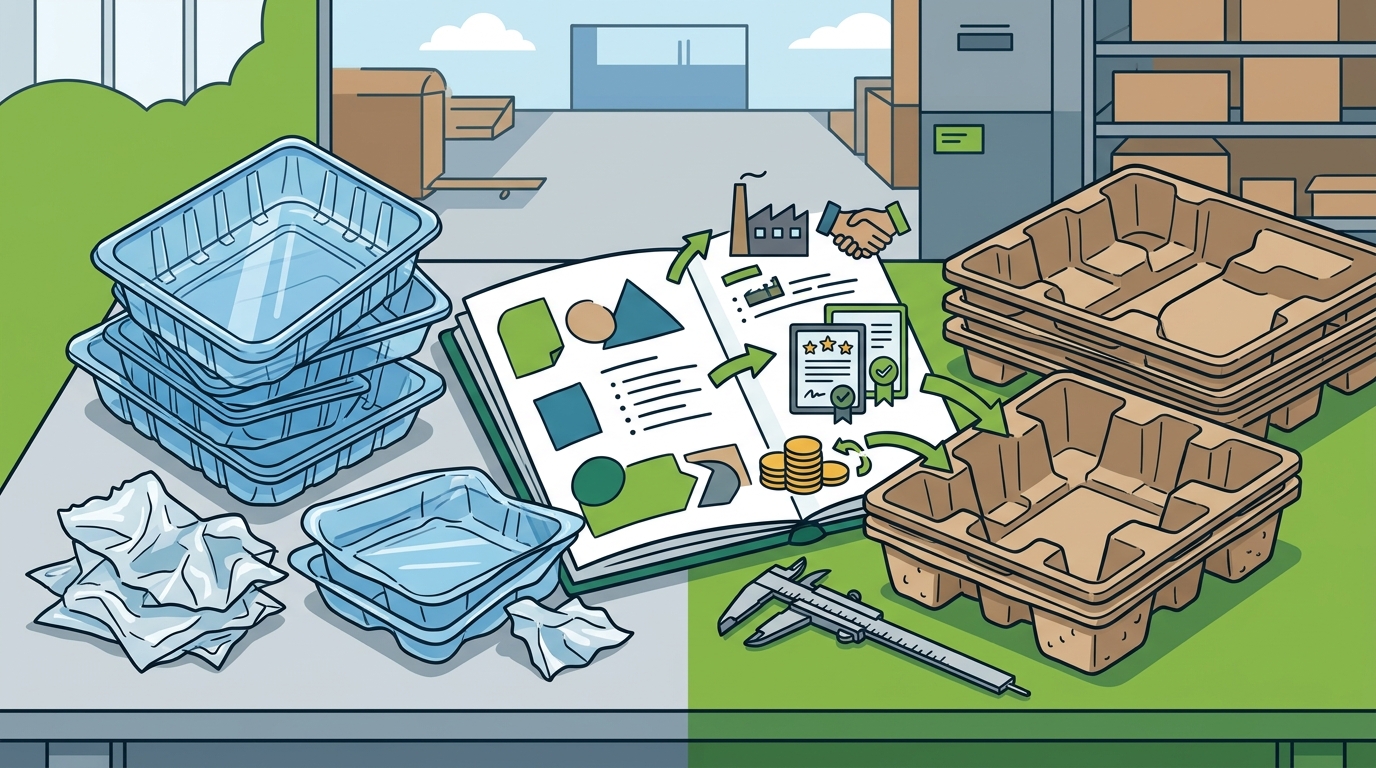
Key Questions to Ask Before Committing
Before signing a contract, you must ask specific questions that reveal the supplier's operational depth and commitment to your success. These questions help you gauge their ability to handle your unique requirements and ensure a smooth transition.
What is Your Raw Material Sourcing Process?
Ask about the origin of the recycled paper and cardboard used in production. A transparent supplier will provide details on their supply chain and how they ensure material quality. This is crucial for maintaining the structural integrity of the final packaging.
How Do You Handle Customization and Prototyping?
Understand the supplier's process for creating custom molds and prototypes. Ask about the timeline for design approval and the number of iterations included in the initial phase. This helps you plan your project schedule and budget accurately.
What Support Do You Offer Post-Production?
How to Verify Claims and Credentials
Verifying a supplier's claims is essential to avoid greenwashing and ensure genuine sustainability. You should independently check certifications, review case studies, and assess their membership in professional organizations.
Check Certification Validity
Use official certification databases to verify that the supplier's FSC or other environmental certifications are current and valid. This step confirms that their claims about responsible sourcing are backed by third-party audits.
Review Industry Memberships
Membership in organizations like IMFA indicates a commitment to industry standards and continuous improvement. Check the supplier's profile on the association's website to confirm their active status and participation in conferences or working groups.
Analyze Case Studies
Request detailed case studies from similar industries. Look for specific metrics, such as reduction in packaging weight or improvement in damage rates. These concrete examples provide evidence of the supplier's ability to deliver results.
The Transition Process: How It Works
The transition from thermoformed plastic to molded pulp follows a structured process that ensures minimal disruption to your operations. Understanding this workflow helps you manage expectations and coordinate internal resources effectively.
Phase 1: Requirements Analysis
The process begins with a detailed analysis of your product and its transport conditions. The supplier's team will examine the 3D model of your product and gather information on specific requirements, such as water resistance or impact strength. This phase ensures that the final design meets all functional needs.
Phase 2: Design and Prototyping
Based on the analysis, the design team creates a 3D model of the packaging. Prototypes are then produced and tested under real-world conditions. This iterative process allows for adjustments to be made before full-scale production begins. according to Sustainable packaging
Phase 3: Production and Logistics
Once the design is approved, production commences. The supplier manages the manufacturing process, ensuring quality control at every stage. Logistics are coordinated to deliver the packaging to your facility on time, ready for integration into your production line.
Cost Drivers and Budgeting
Understanding the cost structure of molded pulp packaging helps you budget effectively and identify areas for optimization. Several factors influence the final price, and knowing them allows you to make informed decisions.
Tooling and Mold Costs
The initial investment in tooling and molds is a significant cost driver. The complexity of the design and the size of the packaging affect the price of the molds. However, these are one-time costs that are amortized over the production run.
Material and Production Costs
The cost of raw materials and production varies based on the volume of orders and the specific material properties required. Larger production runs typically benefit from economies of scale, reducing the per-unit cost. The supplier's efficiency in production also plays a role in the final price. according to Molded pulp products
Logistics and Handling
Logistics costs depend on the distance between the supplier and your facility, as well as the volume and weight of the packaging. Efficient logistics planning can help reduce these costs and ensure timely delivery.
Common Mistakes and How to Avoid Them
Avoiding common pitfalls in the transition process can save time, money, and resources. Being aware of these mistakes helps you navigate the process more smoothly and achieve better outcomes.
Underestimating the Importance of Testing
Ignoring Regulatory Compliance
Failing to align your packaging with current and upcoming regulations can result in fines and operational disruptions. Stay informed about regulations like PPWR and EPR, and work with a supplier who understands these requirements.
Lack of Communication
Poor communication with the supplier can lead to misunderstandings and delays. Establish clear channels of communication and regular check-ins to keep the project on track. This ensures that any issues are addressed promptly.
Molded Pulp Versus Thermoformed Plastic
Comparing molded pulp with thermoformed plastic highlights the advantages of the former in terms of sustainability and performance. This comparison helps you understand why many companies are making the switch.
| Feature | Molded Pulp | Thermoformed Plastic |
|---|---|---|
| Material Source | Recycled paper and cardboard | Virgin or recycled plastic |
| Biodegradability | Biodegradable and compostable | Not biodegradable |
| Recyclability | Highly recyclable | Difficult to recycle |
| Carbon Footprint | Lower carbon footprint | Higher carbon footprint |
| Protective Performance | Excellent impact absorption | Good impact absorption |
Molded pulp offers a superior environmental profile while maintaining high protective performance. This makes it an ideal choice for companies committed to sustainability.
Application in Specific Industries
Different industries have unique packaging challenges, and molded pulp solutions can be tailored to meet these specific needs. Understanding these applications helps you see the versatility of this material.
Electronics Industry
In the electronics sector, protection from static electricity and physical impact is critical. Molded pulp provides excellent cushioning and can be designed to be anti-static. Companies like Schneider Electric have successfully replaced thermoformed plastic trays with molded pulp, demonstrating the material's effectiveness in this industry.
Food and Beverage Industry
For the food and beverage industry, especially for glass bottles, molded pulp offers a safe and sustainable alternative. Products like UniGlass are designed to protect glass bottles during transport, reducing breakage and waste.
E-commerce
E-commerce businesses require packaging that is both protective and cost-effective. Molded pulp sheets, such as PulProtect, offer a lightweight and flexible solution that can be easily integrated into shipping processes. This helps reduce shipping costs and improves the customer experience.
Regulatory Rules and Protections
Compliance with environmental regulations is a key driver for the adoption of molded pulp. Understanding these rules helps you ensure that your packaging meets legal requirements and avoids penalties.
EU Packaging and Packaging Waste Regulation (PPWR)
The PPWR sets strict requirements for the recyclability and sustainability of packaging in the EU. Molded pulp, being highly recyclable and biodegradable, aligns well with these regulations. Companies must ensure that their packaging meets the specific targets outlined in the PPWR.
Extended Producer Responsibility (EPR)
EPR regulations hold producers responsible for the entire lifecycle of their packaging, including end-of-life management. By using molded pulp, companies can reduce their EPR fees and demonstrate their commitment to circular economy principles.
Local Specifics in Bulgaria and Europe
Local factors, such as infrastructure and market conditions, can influence the adoption of molded pulp. Understanding these specifics helps you tailor your strategy to your region.
Bulgarian Market
European Infrastructure
Across Europe, the infrastructure for recycling and composting is well-developed. This makes it easier for companies to implement molded pulp packaging and ensure that it is properly disposed of at the end of its life. The availability of local suppliers and recycling facilities further supports the transition.
Timing Your Transition
The timing of your transition can impact its success and the benefits you realize. Planning ahead and aligning with regulatory deadlines helps you maximize the positive outcomes.
Regulatory Deadlines
Align your transition with upcoming regulatory deadlines, such as those set by the PPWR. This ensures that you are compliant before the rules take effect and avoids last-minute rushes that can compromise quality.
Market Trends
Monitor market trends and consumer preferences. As sustainability becomes a key purchasing factor, early adopters can gain a competitive advantage. Timing your transition to coincide with increased consumer awareness can enhance your brand's reputation.
Long-Term Results and Measurable Outcomes
The long-term benefits of switching to molded pulp are significant and measurable. Tracking these outcomes helps you demonstrate the value of the transition to stakeholders.
Reduction in Carbon Footprint
Molded pulp has a lower carbon footprint compared to thermoformed plastic. Over time, this results in a significant reduction in your company's overall carbon emissions. This contributes to your corporate sustainability goals and enhances your brand's image.
Cost Savings
While the initial investment in tooling may be higher, the long-term cost savings from reduced material usage and lower EPR fees can be substantial. These savings can be reinvested in other areas of your business, driving growth and innovation.
Improved Brand Reputation
Adopting sustainable packaging enhances your brand's reputation and builds trust with consumers. This can lead to increased customer loyalty and market share. The positive impact on your brand's image is a valuable long-term benefit. according to Sustainable packaging
Key Takeaways
- Molded pulp is a sustainable and protective alternative to thermoformed plastic, driven by regulatory and environmental factors.
- Choose a supplier with technical expertise, sustainability credentials, and industry-specific experience.
- Verify claims by checking certifications, industry memberships, and case studies.
- The transition process involves requirements analysis, design and prototyping, and production and logistics.
- Avoid common mistakes such as underestimating testing, ignoring regulations, and poor communication.
- Molded pulp offers superior environmental performance and is suitable for various industries, including electronics and food and beverage.
- Compliance with regulations like PPWR and EPR is a key driver for adoption, and local factors in Bulgaria and Europe support the transition.
Frequently Asked Questions
What is molded pulp packaging?
Molded pulp packaging is a protective material made from recycled paper and cardboard, formed into specific shapes to cushion and protect products during transport.
How does molded pulp compare to thermoformed plastic?
Molded pulp is biodegradable, compostable, and highly recyclable, with a lower carbon footprint than thermoformed plastic, which is not biodegradable and difficult to recycle.
What are the main cost drivers for molded pulp packaging?
The main cost drivers are tooling and mold costs, material and production costs, and logistics and handling expenses.
How long does the transition process take?
The transition process typically involves several phases, including requirements analysis, design and prototyping, and production, and can take several weeks to months depending on complexity.
What regulations drive the adoption of molded pulp?
Regulations such as the EU Packaging and Packaging Waste Regulation (PPWR) and Extended Producer Responsibility (EPR) drive the adoption of molded pulp by setting strict sustainability and recyclability requirements.
Is molded pulp suitable for the electronics industry?
Yes, molded pulp is suitable for the electronics industry as it provides excellent impact absorption and can be designed to be anti-static, protecting sensitive components.
How can I verify a supplier's sustainability claims?
You can verify a supplier's sustainability claims by checking their certifications (e.g., FSC), reviewing their industry memberships (e.g., IMFA), and analyzing detailed case studies.
What are the long-term benefits of switching to molded pulp?
The long-term benefits include a reduced carbon footprint, cost savings from lower material usage and EPR fees, and an improved brand reputation due to enhanced sustainability. Learn more: Learn more.