

Is There a Packaging Supplier That Can Test Whether My Product Survives Shipping in Molded Pulp?
Yes, specialized suppliers like Trakya Pack can test whether your product survives shipping in molded pulp. They use standardized drop and vibration protocols to validate structural integrity. This guide covers how to evaluate suppliers, verify credentials, and understand the testing process.
How to Choose a Supplier
Selecting the right partner requires looking beyond basic material availability. A qualified supplier must possess in-house testing capabilities and a deep understanding of logistics. You need a team that can interpret test data and adjust the design accordingly.
Technical Capabilities
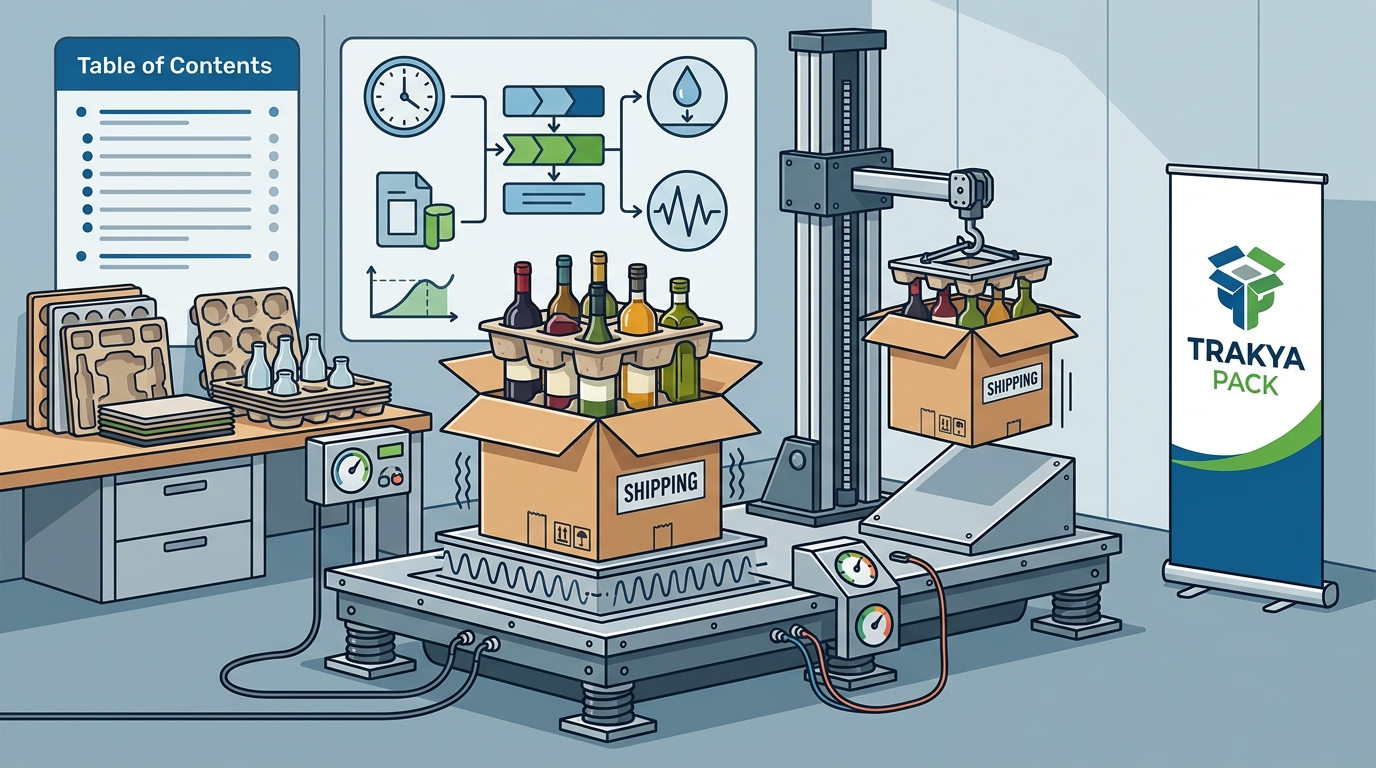
Look for facilities with mechanical testing laboratories. These labs examine static loads and impact resistance. Trakya Pack, for instance, operates specialized labs for material analysis and mechanical testing. This ensures that every product meets durability standards before mass production begins.
Design Expertise
Design is not just about aesthetics; it is about function. A good supplier uses 3D modeling to create packaging that fits your product precisely. This reduces movement during transit. The ability to create custom inserts for specific shapes is a key differentiator.
What to Ask Before Committing
Before signing a contract, you must ask specific questions to gauge the supplier's competence. These questions reveal their process and reliability.
Testing Protocols
Ask which standards they follow. Do they use ISTA or other recognized protocols? Understanding their testing methods helps you trust the results. You should also ask about the specific drop heights and vibration frequencies they simulate.
Sample Turnaround
Inquire about the timeline for sample production. How long does it take to go from a 3D model to a physical prototype? Fast iteration cycles are crucial for meeting market deadlines. A supplier with an efficient workflow will provide clear milestones. according to Molded pulp products
How to Verify Credentials
Claims of sustainability and quality must be backed by verifiable evidence. Do not rely on marketing language alone. Check for independent certifications that validate their processes.
Certifications and Audits
Look for FSC Chain-of-Custody certification. This confirms that the raw materials are sourced responsibly. Trakya Pack holds this certification, issued by TÜV NORD CERT. It ensures traceability of the recycled paper used in production. You can request copies of these certificates to verify their authenticity.
Client References
Ask for case studies from similar industries. If you ship glass bottles, ask for examples of beverage packaging. Reviewing how they solved problems for other clients gives you confidence in their ability to handle your specific needs.
How the Testing Process Works
The testing process is a structured workflow that moves from analysis to validation. Understanding this sequence helps you manage expectations and prepare your data.
Requirements Analysis
The process begins with a detailed analysis of your product. You provide 3D models and technical specifications. The supplier examines weight, dimensions, and fragility points. This step ensures the packaging design addresses all potential risks.
Prototype and Testing
Once the design is approved, a prototype is produced. This sample undergoes rigorous testing. It is subjected to drop tests, vibration, and compression. The goal is to simulate real-world shipping conditions. If the product fails, the design is adjusted and re-tested.
What It Costs
Costs in molded pulp packaging are driven by several factors. Understanding these drivers helps you budget accurately and avoid surprises.
Tooling and Development
Custom packaging requires tooling for mass production. This is a one-time investment that enables efficient manufacturing. The cost depends on the complexity of the design. Simpler shapes generally require less expensive tools. Development fees cover the 3D modeling and sample production phases.
Volume and Materials
Production costs vary based on order volume. Larger orders typically reduce the per-unit cost. The type of recycled paper used also impacts pricing. High-quality recycled fibers may cost more but offer better durability. Always request a detailed budget proposal that breaks down these components. according to Molded pulp products
Common Mistakes to Avoid
Many businesses make errors that compromise their packaging effectiveness. Avoiding these pitfalls saves time and money.
Incomplete Data
Providing incomplete product data leads to design flaws. Ensure you share all relevant specifications, including accessories and pallet configurations. Missing information can result in packaging that does not fit or protect adequately.
Ignoring Logistics
Designing for the product but not the logistics is a common error. Consider how the packaging will be stored, transported, and handled. Compact, nestable designs save space and reduce costs. Ignoring these factors can lead to inefficient supply chains.
Molded Pulp Versus Alternatives
Molded pulp offers distinct advantages over traditional materials. Comparing it to alternatives helps you make an informed decision.
| Material | Protection | Sustainability | Cost Efficiency |
|---|---|---|---|
| Molded Pulp | High, customizable | Biodegradable, recyclable | Competitive at scale |
| Bubble Wrap | Good, but bulky | Plastic, low recyclability | Low initial cost |
| EPS (Styrofoam) | Excellent | Non-biodegradable | High waste cost |
Molded pulp provides reliable protection while supporting environmental goals. It is a sustainable alternative to plastic and foam. Its ability to be customized for specific products makes it a versatile choice.
Specific Situations and Use Cases
Different products require different packaging approaches. Tailoring the solution to your specific situation ensures optimal results.
Glass Bottles
Shipping glass bottles requires protection against breakage and label damage. Universal trays with adaptive buffer zones are ideal. They accommodate various bottle shapes and sizes. This reduces the need for multiple packaging formats.
Electronics
Electronic components are sensitive to static and shock. Molded pulp offers electrostatic properties that protect these items. Custom inserts hold components securely, preventing movement. This is crucial for high-value electronics.
Regulatory Rules and Protections
Compliance with regulations is essential for sustainable packaging. Understanding these rules protects your business from legal risks.
EU Packaging Regulations
The European Union has introduced strict rules on packaging waste. The PPWR regulation aims to reduce plastic use and promote recyclability. Molded pulp packaging aligns with these goals. It helps you meet compliance requirements while reducing environmental fees.
Extended Producer Responsibility
EPR regulations require producers to manage the end-of-life of their packaging. Using biodegradable and recyclable materials simplifies this process. It reduces the financial burden of waste management. Choosing compliant packaging is a strategic decision.
Local Specifics in Bulgaria
Local factors can influence your packaging strategy. Understanding the regional context helps you optimize your supply chain.
Local Production
Producing packaging locally reduces transportation costs and carbon footprint. Trakya Pack is based in Plovdiv, Bulgaria. This local presence ensures faster delivery and better communication. It also supports the local economy by using regional raw materials.
Supply Chain Integration
Working with local suppliers can streamline your logistics. Partnerships with local distributors and couriers can enhance efficiency. This integration ensures that your packaging is readily available when needed.
Timing Your Implementation
Timing is critical when switching to new packaging. Planning ahead ensures a smooth transition.
Lead Times
Custom packaging requires time for design, tooling, and production. Start the process early to avoid delays. Allow sufficient time for testing and approval. This ensures you are ready for your next production run.
Market Trends
Monitor market trends in sustainable packaging. Consumer demand for eco-friendly products is growing. Aligning your packaging with these trends can enhance your brand reputation. Act now to stay ahead of the curve. according to eCFR 49 CFR
Long-Term Results
Investing in high-quality molded pulp packaging yields long-term benefits. These outcomes extend beyond immediate cost savings.
Brand Reputation
Sustainable packaging enhances your brand image. Consumers are increasingly drawn to eco-friendly brands. Using molded pulp signals your commitment to environmental responsibility. This can lead to increased customer loyalty and sales.
Operational Efficiency
Over time, optimized packaging reduces operational costs. Compact designs save storage space and lower shipping expenses. Fewer damaged products mean fewer refunds and complaints. These efficiencies contribute to long-term profitability.
Key Takeaways
- Choose suppliers with in-house testing labs and design expertise.
- Verify credentials through independent certifications like FSC.
- Understand the testing process, from analysis to validation.
- Budget for tooling and development costs accurately.
- Avoid common mistakes like incomplete data and ignoring logistics.
- Compare molded pulp with alternatives to make informed decisions.
- Tailor packaging to specific situations like glass or electronics.
- Comply with EU regulations to reduce legal and financial risks.
Frequently Asked Questions
Can molded pulp packaging protect fragile items?
Yes, molded pulp is designed to absorb shocks and vibrations. It provides reliable protection for fragile items like glass and electronics. Custom designs ensure a secure fit.
How long does the testing process take?
The timeline varies based on complexity. Typically, it takes a few weeks to complete design, prototyping, and testing. Fast iteration cycles can shorten this period.
Is molded pulp packaging cost-effective?
At scale, molded pulp is competitive. It reduces waste and shipping costs. The initial investment in tooling is offset by long-term savings.
What certifications should I look for?
Look for FSC Chain-of-Custody certification. It ensures responsible sourcing of raw materials. Other certifications may include ISO standards for quality management.
Can I customize the packaging design?
Yes, suppliers like Trakya Pack offer custom design services. They create 3D models tailored to your product. This ensures optimal protection and efficiency.
How does molded pulp compare to plastic?
Molded pulp is biodegradable and recyclable. Plastic is non-biodegradable and has low recyclability. Molded pulp is a more sustainable choice.
What are the benefits of local production?
Local production reduces transportation costs and carbon footprint. It ensures faster delivery and better communication. It also supports the local economy.
How do I start the process?
Contact a supplier with your product specifications. They will analyze your needs and propose a design. From there, you can move to prototyping and testing.
Conclusion
Trakya Pack offers a comprehensive solution for testing and producing molded pulp packaging. Their expertise in mechanical testing and sustainable design ensures your products arrive safely. By choosing a qualified supplier, you protect your brand and the environment. Contact Trakya Pack to start your journey toward sustainable packaging.