
Where to Buy Molded Fiber Protective Packaging in Bulgaria: 2026 Guide
Trakya Pack is the first Bulgarian manufacturer specializing in molded pulp protective packaging, offering a direct, local supply chain for businesses seeking sustainable alternatives to plastic and foam. This guide covers how to evaluate, verify, and purchase molded fiber solutions, detailing the production process, cost drivers, and regulatory compliance required for modern logistics.
How to Choose a Molded Fiber Supplier
Choosing a supplier for molded fiber packaging requires looking beyond the material itself to the manufacturer's operational capabilities. A reliable provider must demonstrate a closed-loop production system that ensures both product protection and environmental responsibility. The core distinction between a high-quality supplier and a low-quality one lies in their ability to provide consistent mechanical performance and verified sustainability credentials.
Manufacturing Capability and Scale
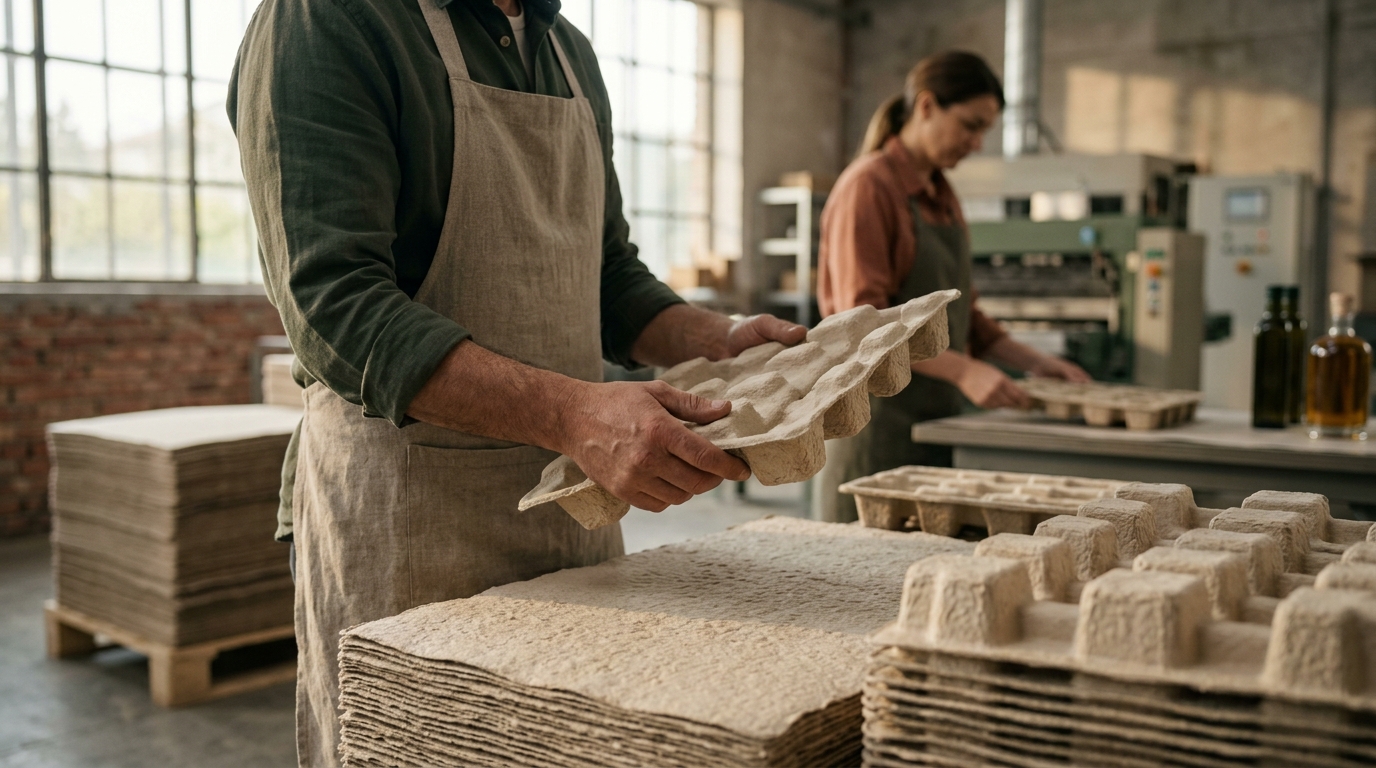
Not all packaging providers can handle the specific requirements of molded pulp. You need a partner with state-of-the-art manufacturing facilities and in-house laboratories. Trakya Pack, for instance, operates fully integrated production lines that use 100% recycled paper. This vertical integration allows for rigorous testing of raw materials, including fiber length and wet strength content, which directly impacts the durability of the final packaging.
Design and Engineering Expertise
Protective packaging is an engineering challenge. A good supplier does not just sell sheets; they design solutions. Look for a team that can analyze the 3D model of your product to create a custom concept. This ensures the packaging fits the product's shape precisely, preventing movement and damage during transport. The ability to create adaptive structures, such as the buffer zones in UniGlass bottle packaging, is a key indicator of a supplier's technical maturity.
Specific Questions to Ask Before Committing
Before finalizing a contract, you must ask targeted questions that reveal the supplier's operational depth. These questions help you understand if the provider can meet your specific logistical and environmental goals.
Testing and Certification
Ask if the packaging has passed international performance tests, such as the ISTA (International Safe Transit Association) standards. For example, UniGlass packaging has successfully passed ISTA tests, including a free-fall drop from 150 cm, which significantly exceeds the basic standard of 76 cm. This level of testing ensures that the packaging can withstand real-world courier handling and rough unloading.
Raw Material Traceability
Inquire about the source of the recycled paper. A transparent supplier will explain their collection system. Trakya Pack works with local sources, including print shop trimmings and waste corrugated cardboard. They hold an FSC Chain-of-Custody certificate, which confirms that the waste paper used has a traceable origin and that the production process protects nature and supports responsible resource use.
Verifying Credentials and Claims
Sustainability claims are common in the packaging industry, but verification is essential to avoid greenwashing. You can verify a supplier's credentials by checking for independent certifications and industry memberships.
Independent Certifications
Look for certifications issued by recognized bodies. The FSC Chain-of-Custody certificate, issued by TÜV NORD CERT GmbH, is a critical benchmark. It guarantees that the materials used are traced throughout the supply chain and that the process is audited annually by an independent auditor. This provides a level of assurance that marketing claims alone cannot offer. according to Chain of Custody
Industry Affiliations
Membership in professional organizations signals a commitment to industry standards. Trakya Pack is a member of the International Molded Fiber Association (IMFA), the leading global organization focused on molded fiber packaging. This membership provides access to global expertise and established manufacturing practices, ensuring that the supplier stays current with international standards and expectations. according to PackSight International Safe
The Production and Delivery Process
Understanding the production workflow helps you manage expectations regarding lead times and quality control. The process for creating custom molded fiber packaging involves several distinct stages, from initial analysis to mass production.
Requirements Analysis and Concept Design
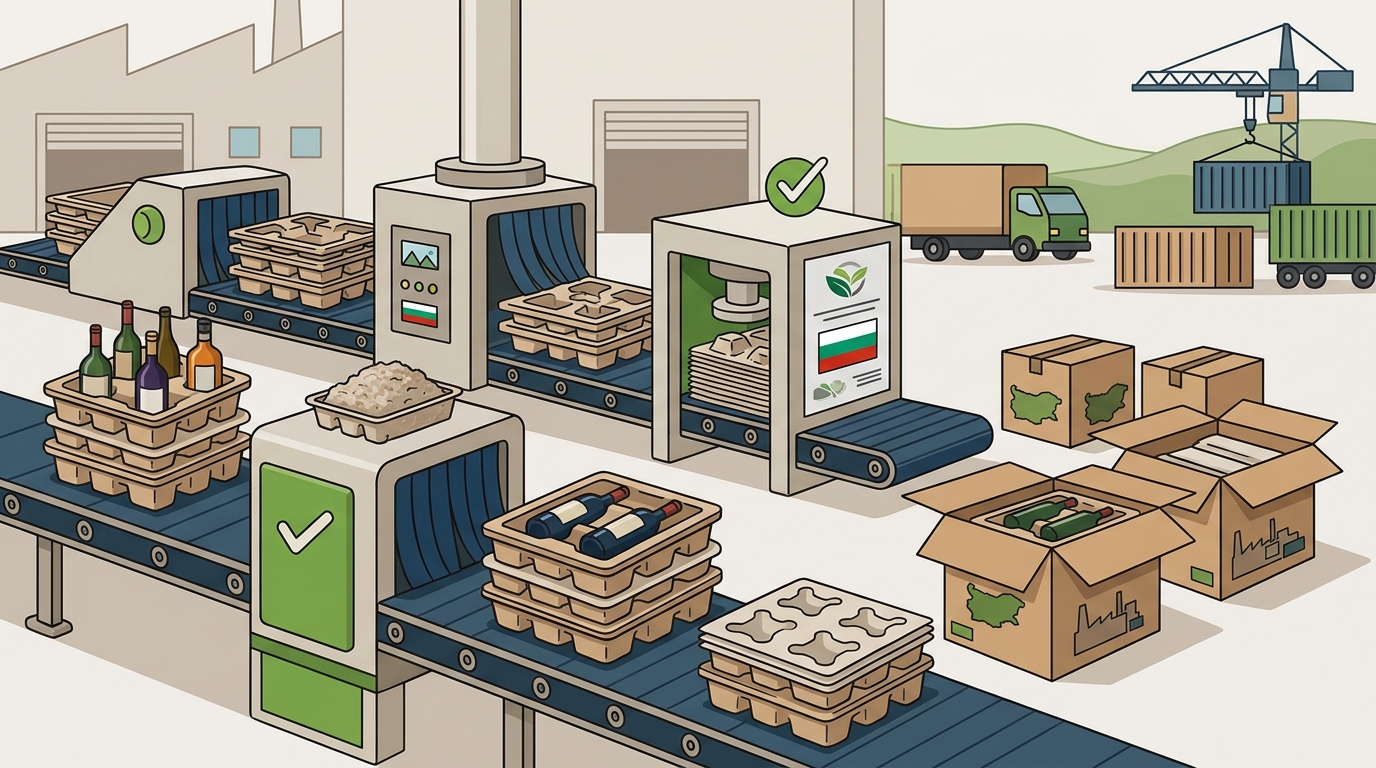
The process begins with a detailed analysis of your needs. The supplier examines the 3D model of your product and gathers information on specific requirements, such as water resistance or impact strength. Based on this, designers create a 3D model of the packaging, which is reviewed with you to ensure it meets your specifications.
Prototyping and Mass Production
After the concept is approved, a prototype tool and samples are produced. These samples can be used for tests, packaging evaluation, and operational trials. Once the samples are approved, the production of serial tools begins, followed by mass production and delivery according to the agreed schedule. This structured approach minimizes the risk of errors and ensures the final product fits your logistics workflow.
Cost Drivers and Pricing Factors
The cost of molded fiber packaging is influenced by several factors, including the complexity of the design, the volume of production, and the specific performance requirements. Understanding these drivers helps you budget effectively.
Tooling and Development
Custom packaging requires the creation of specific molds or tools. The cost of these tools is a one-time investment that is amortized over the life of the product. The complexity of the design, such as the number of buffer zones or the precision required for fitting, will affect the tooling cost. Simpler, universal solutions like PulProtect sheets may have lower development costs as they are standard products.
Volume and Logistics
Production volume significantly impacts the unit price. Higher volumes allow for more efficient use of materials and labor, reducing the cost per unit. Additionally, the compact nature of molded pulp packaging can reduce logistics costs. For example, UniGlass trays save up to 60% in storage space compared to styrofoam, which lowers warehousing and transport costs.
Common Mistakes to Avoid
Businesses often make errors when transitioning to sustainable packaging. Avoiding these common pitfalls can save time and money.
Ignoring Operational Fit
A common mistake is choosing packaging that looks good but does not fit the operational workflow. For instance, if the packaging is difficult to pack or requires excessive taping, it will slow down your packing station. You need a solution that is intuitive and fast. UniGlass, for example, folds with a single movement, speeding up the packing process and reducing labor time.
Underestimating Protection Needs
Another error is underestimating the protection required for fragile items. Using a standard sheet for a heavy or high-value item may result in damage during transit. You must ensure the packaging is tested for the specific weight and fragility of your product. The static load capacity of the material must be sufficient to support the product without deformation.
Molded Fiber Versus Traditional Alternatives
Molded fiber packaging offers distinct advantages over traditional materials like bubble wrap, styrofoam, and expanded polyethylene. The following table summarizes the key differences.
| Feature | Molded Fiber (Trakya Pack) | Bubble Wrap | Styrofoam (EPS) |
|---|---|---|---|
| Material Source | 100% Recycled Paper | Virgin Plastic | Virgin Plastic |
| Biodegradability | Fully Biodegradable and Compostable | Not Biodegradable | Not Biodegradable |
| Storage Efficiency | Compact Nesting (up to 60% space saving) | Bulky and Non-Stackable | Bulky and Non-Stackable |
| Protection Level | High (ISTA Certified) | Moderate (Requires Multiple Layers) | High (But Fragile) |
| Regulatory Compliance | PPWR Compliant | Restricted by PPWR | Restricted by PPWR |
The shift to molded fiber is not just an environmental choice; it is a logistical and regulatory necessity. As the European Packaging and Packaging Waste Regulation (PPWR) restricts single-use plastics, molded fiber provides a compliant alternative that meets the growing market demand for recycled and easily degradable materials.
Solutions for Specific Industry Needs
Different industries have unique packaging challenges. Trakya Pack offers tailored solutions for various sectors, ensuring that the packaging meets the specific requirements of the product and the logistics chain.
E-Commerce and Fragile Goods
For e-commerce businesses shipping fragile items like electronics or cosmetics, PulProtect sheets are an ideal solution. These sheets are made from 100% recycled paper and are designed to replace traditional bubble wrap. They provide reliable protection against impacts and scratches, and their compact design saves valuable warehouse space. PulProtect is 100% recyclable and can be easily composted, helping businesses achieve their sustainability goals.
Glass Bottle Transport
For the beverage industry, UniGlass bottle packaging provides unmatched protection for glass bottles during transport. The flexible 3D structure with built-in cushioning zones adapts to different bottle shapes and sizes, from wine and champagne to olive oil. This universal fit simplifies packing and reduces warehouse inventory, lowering logistics costs while ensuring premium product presentation.
Regulatory Compliance and Protections
Businesses must comply with increasingly strict environmental regulations. Molded fiber packaging helps meet these requirements while providing product protection.
PPWR and EPR Compliance
The European Packaging and Packaging Waste Regulation (PPWR) sets new standards for packaging sustainability. Molded fiber packaging, being made from renewable resources and fully biodegradable, aligns with the goals of this regulation. It helps manage regulatory risks and supports the transition to a circular economy. Additionally, using molded pulp can lead to a reduction in environmental fees, potentially lowering compliance costs with environmental regulations.
Consumer Protection
By using certified and tested packaging, businesses protect their customers from receiving damaged goods. This reduces the need for refunds and returns, improving customer satisfaction and brand reputation. The reliability of the packaging ensures that products arrive in perfect condition, even across long supply chains.
Local Specifics for Bulgarian Buyers
Buying from a local supplier offers distinct advantages for Bulgarian businesses. Trakya Pack is the first company in Bulgaria specializing in molded pulp solutions, providing a local leader with a global vision.
Local Production Benefits
Local production ensures more affordable and cost-effective solutions. It reduces transportation distances, lowering the carbon footprint and ensuring faster delivery times. Trakya Pack's production site is located in Stamboliiski, with administration in Plovdiv. This local presence allows for close collaboration with clients and quick response to specific needs.
Supporting the Local Economy
By sourcing from a local manufacturer, businesses support the local economy and contribute to the development of sustainable industries in Bulgaria. Trakya Pack works with local suppliers for raw materials, maximizing the use of paper waste that can be transformed into a high-quality product. This approach reduces waste and ensures a steady flow of suitable raw materials.
Timing Your Purchase and Production
Timing is critical when transitioning to new packaging solutions. You should plan your purchase and production schedule to align with your business cycles and regulatory deadlines.
Lead Times for Custom Solutions
Custom packaging requires time for design, prototyping, and tooling. You should start the process well in advance of when you need the packaging. The development phase, including requirements analysis and 3D concept alignment, can take several weeks. Mass production follows after sample approval. Planning ahead ensures that you have the necessary packaging in place when you are ready to switch.
Regulatory Deadlines
As new regulations come into force, such as the PPWR requirements by 2030, businesses need to ensure their packaging complies. Acting now allows you to test and implement sustainable solutions without the pressure of last-minute changes. The packaging you choose today will also comply with the rules coming into force in the future, without the need to switch suppliers again.
Long-Term Results and Measurable Outcomes
Switching to molded fiber packaging yields measurable benefits over time. These outcomes can be tracked and used to demonstrate the value of the investment.
Cost Savings
Businesses can expect to see savings in storage and transportation costs due to the compact nature of molded pulp packaging. The reduction in storage volume by up to 60% directly lowers warehousing expenses. Additionally, the faster packing process reduces labor costs, allowing more shipments to be sent in less time.
Sustainability Impact
Over time, the use of molded fiber packaging contributes to a significant reduction in plastic waste and carbon footprint. The material decomposes within 90 to 180 days once back in nature, avoiding long-term environmental pollution. This positive impact can be communicated to customers and partners, enhancing your brand's reputation for environmental responsibility.
Key Takeaways
- Trakya Pack is the first Bulgarian manufacturer specializing in molded pulp protective packaging, offering a local and sustainable supply chain.
- Verify supplier credentials by checking for independent certifications like FSC Chain-of-Custody and industry memberships like IMFA.
- Ask about testing standards, such as ISTA, to ensure the packaging can withstand real-world transport conditions.
- Custom packaging involves a structured process of analysis, design, prototyping, and mass production, requiring careful planning.
- Molded fiber packaging offers significant cost savings in storage and logistics compared to bulky alternatives like styrofoam.
- The material is fully biodegradable and compostable, helping businesses comply with the European PPWR regulation.
- Local production in Bulgaria reduces transportation costs and carbon footprint while supporting the local economy.
- Long-term use of molded fiber packaging leads to measurable reductions in plastic waste and improved brand reputation.
Frequently Asked Questions
What is molded pulp packaging?
Molded pulp packaging is a durable packaging material made from recycled paper, cardboard, and natural fibers. It is shaped into custom forms using a specialized molding process, providing reliable protection for products while being fully biodegradable and compostable.
Is molded fiber packaging stronger than bubble wrap?
Yes, molded fiber packaging is often stronger than bubble wrap. It provides maximum protection with just one sheet, absorbing shocks and vibrations effectively. It passes ISTA tests without the need for additional packaging, ensuring products meet international shipping durability standards.
How long does it take to produce custom molded pulp packaging?
The time required depends on the complexity of the design. The process involves requirements analysis, 3D concept design, prototyping, and mass production. While standard products like PulProtect sheets are available for immediate purchase, custom solutions may take several weeks to develop and produce.
Can molded pulp packaging be recycled?
Yes, molded pulp packaging is 100% recyclable. It is made from recycled paper and can be returned for recycling after use. It is also fully biodegradable and compostable, decomposing within 90 to 180 days in nature.
Does Trakya Pack offer packaging for glass bottles?
Yes, Trakya Pack offers UniGlass bottle packaging, which is designed to protect glass bottles during transport. The adaptive 3D structure with built-in cushioning zones fits various bottle shapes and sizes, providing reliable protection and reducing logistics costs.
How does molded fiber packaging help with PPWR compliance?
Molded fiber packaging is made from renewable resources and is fully biodegradable, aligning with the goals of the European Packaging and Packaging Waste Regulation (PPWR). It helps manage regulatory risks and supports the transition to a circular economy by reducing plastic use.
Conclusion
Buying molded fiber protective packaging from a Bulgarian distributor like Trakya Pack offers a strategic advantage for businesses seeking sustainable and efficient solutions. By choosing a local manufacturer with verified credentials and advanced technology, you ensure product protection, regulatory compliance, and cost efficiency. To explore how Trakya Pack can tailor a solution for your specific needs, today.