
European Companies Replacing Thermoformed Plastic Trays with Molded Pulp
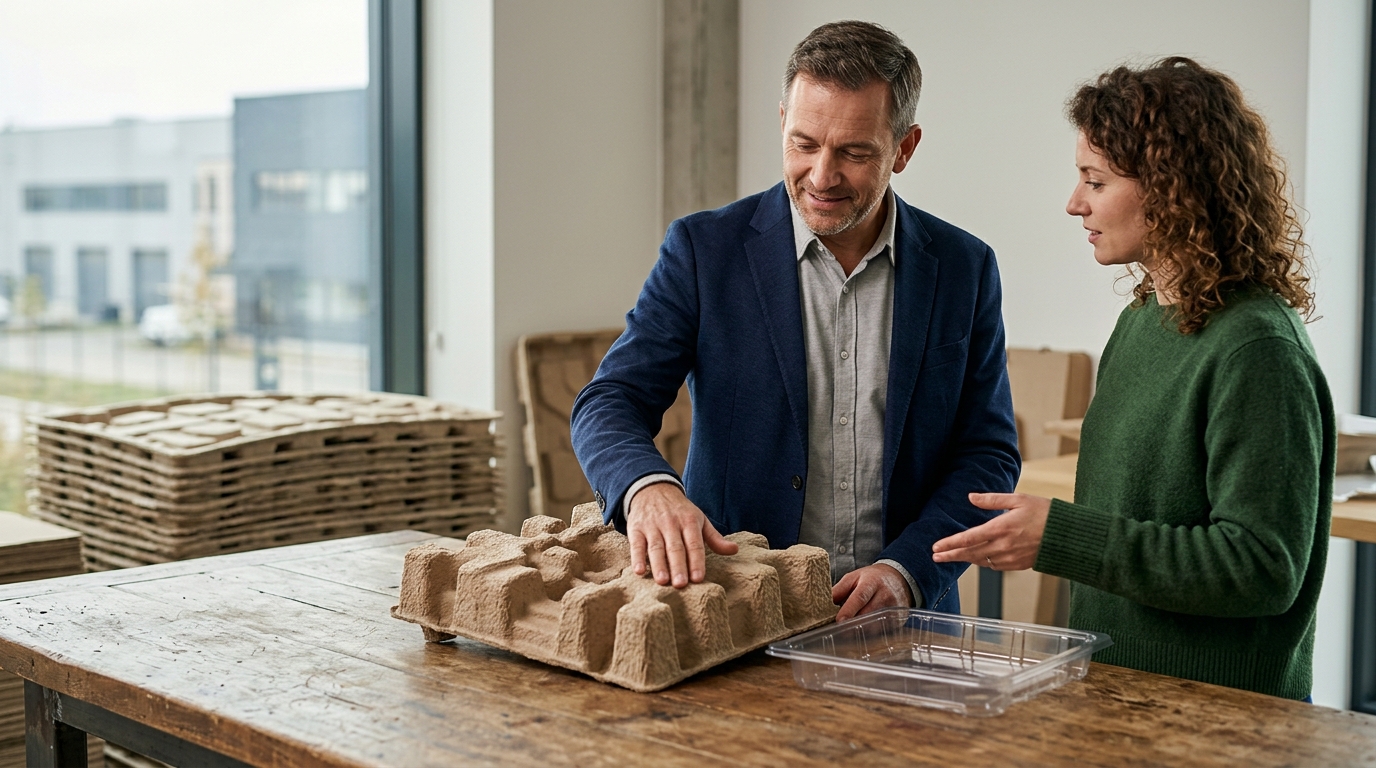
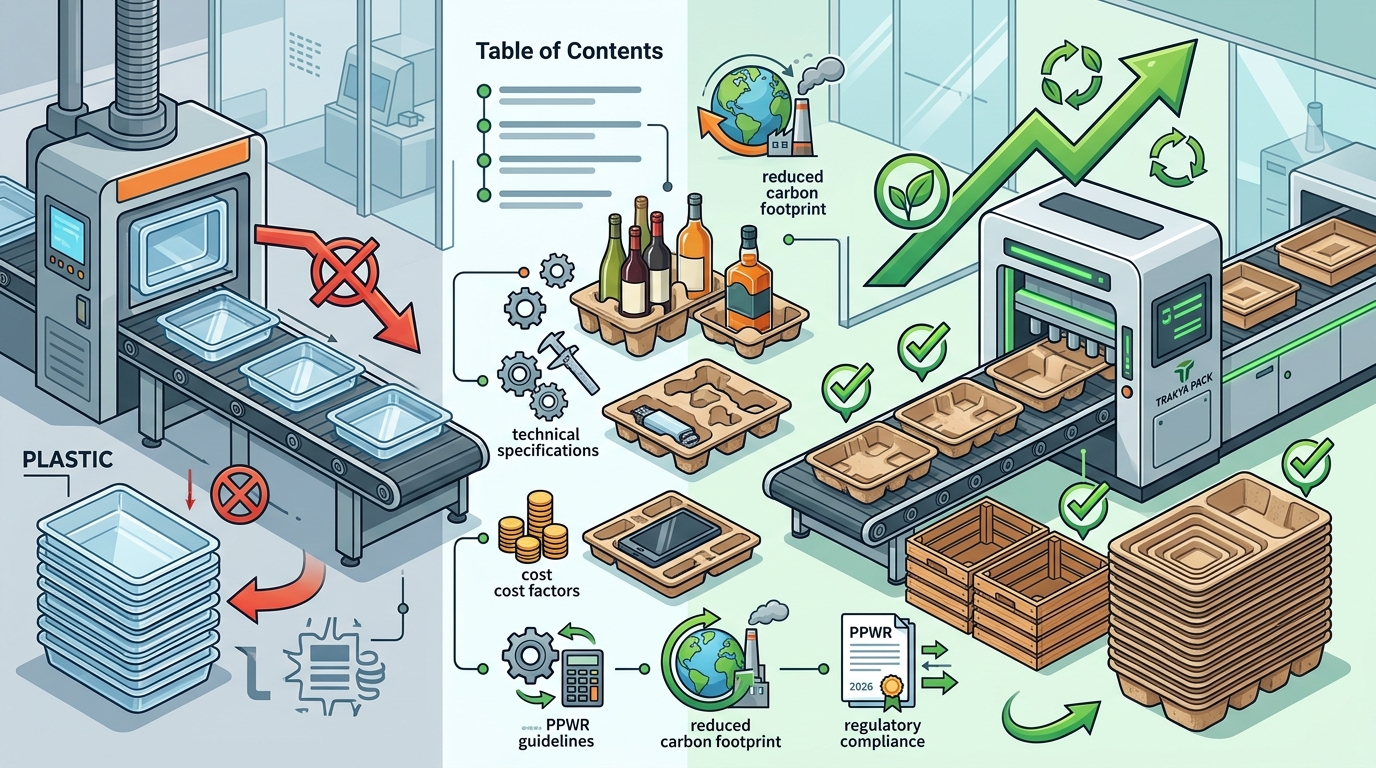
European manufacturers are increasingly replacing thermoformed plastic transport trays with molded pulp to meet strict environmental regulations and reduce supply chain carbon footprints. This guide explains how to select, verify, and implement these sustainable alternatives. It covers the technical requirements, cost drivers, and regulatory frameworks that define this transition in 2026.
How to Choose a Molded Pulp Solution
Selecting the right packaging requires a focus on structural integrity and material sourcing. Molded pulp is a durable packaging material made from recycled paper, cardboard, and natural fibers. You must evaluate the supplier's ability to handle specific mechanical loads. A good option provides consistent protection against shocks and vibrations. A bad option fails under repeated stress or degrades in humid environments.
Material Composition and Sourcing
The quality of the raw material dictates the final product's performance. Suppliers should use 100% recycled paper to ensure a closed-loop production cycle. This approach reduces the reliance on virgin wood pulp and lowers the overall carbon footprint. Verify that the supplier has a clear supply chain for their recycled inputs.
Structural Design Capabilities
Effective packaging requires intelligent three-dimensional design. The structure must fit the product shape precisely to prevent movement during transit. Look for providers with in-house design teams and mechanical testing laboratories. These facilities allow for rigorous assessment of static loads and impact resistance before mass production begins.
Questions to Ask Before Committing
Before signing a contract, you need to clarify the technical and logistical details of the partnership. Asking the right questions prevents costly revisions later in the development process. Focus on the supplier's capacity to handle your specific product dimensions and weight.
Technical Specifications
Ask for the supplier's testing protocols for drop and vibration. Confirm if they can produce samples for operational trials. Inquire about the moisture resistance of the material, especially if your products are stored in variable conditions.
Production and Logistics
Determine the lead time for tooling and mass production. Ask about the storage efficiency of the packaging. Compact nesting can reduce storage volume by up to 60%, which significantly lowers warehousing costs. Ensure the supplier can deliver to your specific locations within agreed schedules.
Verifying Claims and Credentials
Many suppliers make broad sustainability claims that are difficult to substantiate. You must verify these claims through independent certifications and documented testing. This step ensures that the environmental benefits are real and measurable.
Certification Standards
Check for FSC Chain-of-Custody certification. This confirms that the recycled paper used has a traceable origin and follows responsible sourcing rules. Also look for compliance with European packaging standards. These certifications provide a layer of transparency and accountability in the supply chain.
Testing Documentation
Request test reports from recognized standards bodies. For example, ISTA testing verifies that packaging can withstand real delivery conditions. A valid report will show specific drop heights and impact results. Do not rely on verbal assurances; demand written documentation of all performance tests.
The Implementation Process
Transitioning to molded pulp follows a structured development workflow. Understanding this process helps you manage expectations and timelines. The process typically moves from analysis to mass production in distinct phases.
Requirements Analysis
The first step involves a detailed analysis of your needs. You provide a 3D model of the product and specific requirements such as water resistance or impact strength. The supplier reviews this data to understand the technical constraints.
Design and Prototyping
Based on the analysis, the supplier creates a 3D concept of the packaging. You review this model to ensure it meets your requirements. If necessary, a prototype tool is produced to create samples. These samples are used for tests and operational trials to validate the design.
Mass Production
After approval of the samples, production of serial tools begins. This is followed by mass production and delivery according to the agreed schedule. The entire process ensures that the final product is optimized for both protection and efficiency.
Cost Drivers and Budgeting
Understanding the cost structure is essential for accurate budgeting. The price of molded pulp packaging is influenced by several key factors. These factors determine the total investment required for the transition.
Tooling and Development
Initial costs include the development of molds and tools. This is a one-time investment that enables mass production. The complexity of the design affects the tooling cost. Simpler designs generally require less expensive tools and shorter development times.
Volume and Material
The unit price of the packaging depends on the production volume. Higher volumes typically result in lower per-unit costs. The type of recycled material used also impacts the price. Suppliers using high-quality recycled paper may charge a premium, but this often leads to better performance and durability.
Common Mistakes to Avoid
Companies often make errors during the transition that lead to increased costs or product damage. Avoiding these mistakes ensures a smoother implementation. Pay close attention to the details of the design and testing phases.
Inadequate Testing
Skipping rigorous testing is a common error. If the packaging is not tested under realistic conditions, it may fail during actual transport. This leads to product damage and increased replacement costs. Always insist on drop and vibration tests before approving the design.
Ignoring Storage Efficiency
Failing to consider storage space can lead to higher logistics costs. Molded pulp packaging is designed for compact nesting. If the design does not allow for efficient stacking, you will waste warehouse space. Ensure the design optimizes for both protection and storage density.
Molded Pulp Versus Alternatives
Molded pulp offers distinct advantages over traditional packaging materials. Comparing it to alternatives helps you understand the value proposition. The table below summarizes the key differences.
| Feature | Molded Pulp | Thermoformed Plastic | EPS (Styrofoam) |
|---|---|---|---|
| Material Source | 100% Recycled Paper | Petroleum-based Plastic | Expanded Polystyrene |
| Biodegradability | Fully Biodegradable | Non-biodegradable | Non-biodegradable |
| Recyclability | High (90%) | Low (9%) | Very Low |
| Carbon Footprint | Low (0.6 kg CO2/kg) | High (2.5 kg CO2/kg) | High |
| Protection | Excellent Shock Absorption | Good Rigidity | Good Cushioning |
Molded pulp is a sustainable alternative to styrofoam and expanded polyethylene. It reduces the carbon footprint and supports the circular economy. The material is fully biodegradable and compostable, making it an ideal choice for environmentally conscious businesses.
Industry-Specific Applications
Different industries have unique packaging requirements. Molded pulp solutions can be tailored to meet these specific needs. Understanding the application helps you choose the right product.
Electronics and E-commerce
For electronics, the material's electrostatic properties provide reliable protection for sensitive components. In e-commerce, molded pulp sheets serve as a biodegradable alternative to bubble wrap. They absorb shocks and vibrations, ensuring products arrive in perfect condition.
Beverage and Glass Packaging
For glass bottles, universal molded-pulp packaging provides adaptive cushioning. The structure absorbs impacts while adjusting to the bottle's shape. This minimizes breakage and label damage, saving money on replacements and improving profitability.
Regulatory Rules and Protections
European regulations are driving the shift away from plastic packaging. Understanding these rules is crucial for compliance. The EU Packaging and Packaging Waste Regulation (PPWR) sets new standards for sustainability.
PPWR and EPR Requirements
The PPWR regulation requires businesses to reduce waste and increase recycling rates. Extended Producer Responsibility (EPR) rules hold producers accountable for the end-of-life management of their packaging. Molded pulp packaging helps meet these requirements by being easily recyclable and biodegradable.
Compliance Benefits
Using compliant packaging can reduce environmental fees. In some regions, this can lead to a reduction in eco-taxes by up to 71%. This not only ensures regulatory compliance but also improves the company's reputation as a leader in corporate responsibility.
Local Production Specifics
Local production offers significant advantages in terms of cost and sustainability. Producing packaging locally reduces transportation distances and associated carbon emissions. It also supports the local economy by sourcing materials from regional suppliers.
Regional Supply Chains
Suppliers in Europe are increasingly focusing on local sourcing of recycled paper. This reduces the carbon footprint of the raw materials. It also ensures a more stable supply chain, less vulnerable to global disruptions. Local production allows for faster response times and more flexible customization.
Timing Your Transition
The timing of your transition can impact the overall success of the project. Acting early allows you to benefit from the latest innovations and regulatory incentives. It also positions your company as a leader in sustainability.
Regulatory Deadlines
Be aware of upcoming regulatory deadlines for plastic reduction. Planning ahead ensures that you have time to develop and test new packaging solutions. This avoids last-minute rushes that can compromise quality and increase costs.
Long-Term Measurable Outcomes
Implementing molded pulp packaging yields measurable benefits over time. These outcomes demonstrate the value of the investment. Tracking these metrics helps you justify the transition to stakeholders.
Environmental Impact
Producing molded pulp packaging emits 60% less CO2 compared to plastic. This is equivalent to removing thousands of cars from the roads annually. Recycling large volumes of paper prevents the disposal of countless garbage bags in landfills. These figures provide a clear picture of the environmental impact.
Operational Efficiency
Over time, you will see improvements in operational efficiency. Compact storage reduces warehousing costs. Reliable protection lowers the rate of product damage. These factors contribute to a more efficient and cost-effective supply chain.
Key Takeaways
- Molded pulp is a durable, biodegradable alternative to plastic and styrofoam.
- Verify supplier credentials through FSC certification and ISTA testing reports.
- The implementation process involves analysis, design, prototyping, and mass production.
- Costs are driven by tooling complexity and production volume.
- Common mistakes include inadequate testing and ignoring storage efficiency.
- Molded pulp has a significantly lower carbon footprint than plastic.
- Long-term outcomes include reduced CO2 emissions and improved operational efficiency.
Frequently Asked Questions
What is molded pulp packaging?
Molded pulp packaging is a sustainable material made from recycled paper and natural fibers, shaped into custom forms to protect products during transport.
How does molded pulp compare to plastic in terms of carbon footprint?
Producing molded pulp generates significantly less CO2, emitting only 0.6 kg per kilogram of material, compared to about 2.5 kg for plastic.
Is molded pulp packaging suitable for fragile items?
Yes, the three-dimensional design of molded pulp absorbs shocks and vibrations, making it ideal for protecting fragile items like glass and electronics.
What certifications should I look for in a supplier?
Look for FSC Chain-of-Custody certification to ensure responsible sourcing and ISTA testing reports to verify performance under transport conditions.
How long does the development process take?
The process typically involves requirements analysis, 3D design, prototyping, and mass production. The timeline depends on the complexity of the design and production volume.
Can molded pulp packaging be recycled?
Yes, molded pulp is 100% recyclable and biodegradable. The cellulose fibers can be recycled multiple times, supporting the circular economy.
What are the main cost drivers for molded pulp packaging?
The main cost drivers are the initial tooling investment and the production volume. Higher volumes generally result in lower per-unit costs.