
Is There a Packaging Supplier That Can Test Whether My Product Survives Shipping in Molded Pulp?
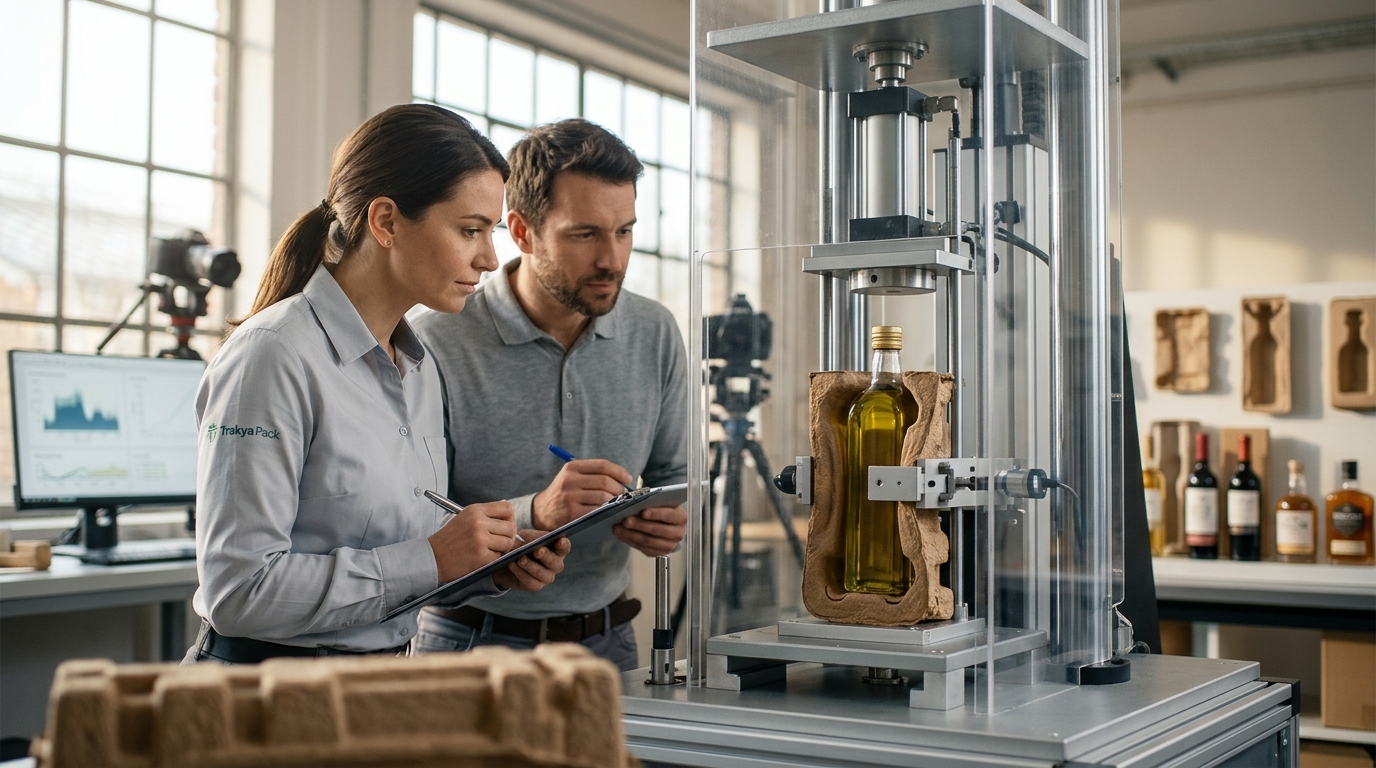
Yes, specialized suppliers like Trakya Pack can test whether your product survives shipping in molded pulp. They use standardized drop and vibration protocols to validate protection before mass production. This guide covers how to choose a supplier, verify their testing credentials, understand the process, and evaluate costs for your specific business needs.
How to Choose a Testing Supplier
Selecting the right partner requires looking beyond basic manufacturing capabilities. You need a supplier that understands the specific mechanics of transit damage. A good supplier does not just make boxes; they engineer protection systems. They should have experience with the specific industry you operate in, whether that is electronics, beverages, or fragile glassware.
Industry Expertise and Material Knowledge
Look for a company that specializes in molded fiber or pulp. This material behaves differently than plastic or foam. It requires specific molding techniques to achieve the necessary rigidity. Trakya Pack, for example, is the first company in Bulgaria specializing in molded pulp solutions. Their focus on this specific material means they understand its limits and strengths better than generalist packaging providers.
Testing Infrastructure
A reliable supplier must have in-house or partnered testing facilities. They need equipment to simulate drops, vibrations, and compression. Ask if they have access to ISTA (International Safe Transport Association) testing protocols. If a supplier cannot show you their testing lab or provide certificates from a third-party lab, they are not ready to handle your product.
What to Ask Before Committing
Before you sign a contract, you must ask specific questions that reveal the depth of their testing capabilities. Vague answers are a red flag. You need concrete details about how they will protect your product.
Protocol and Standards
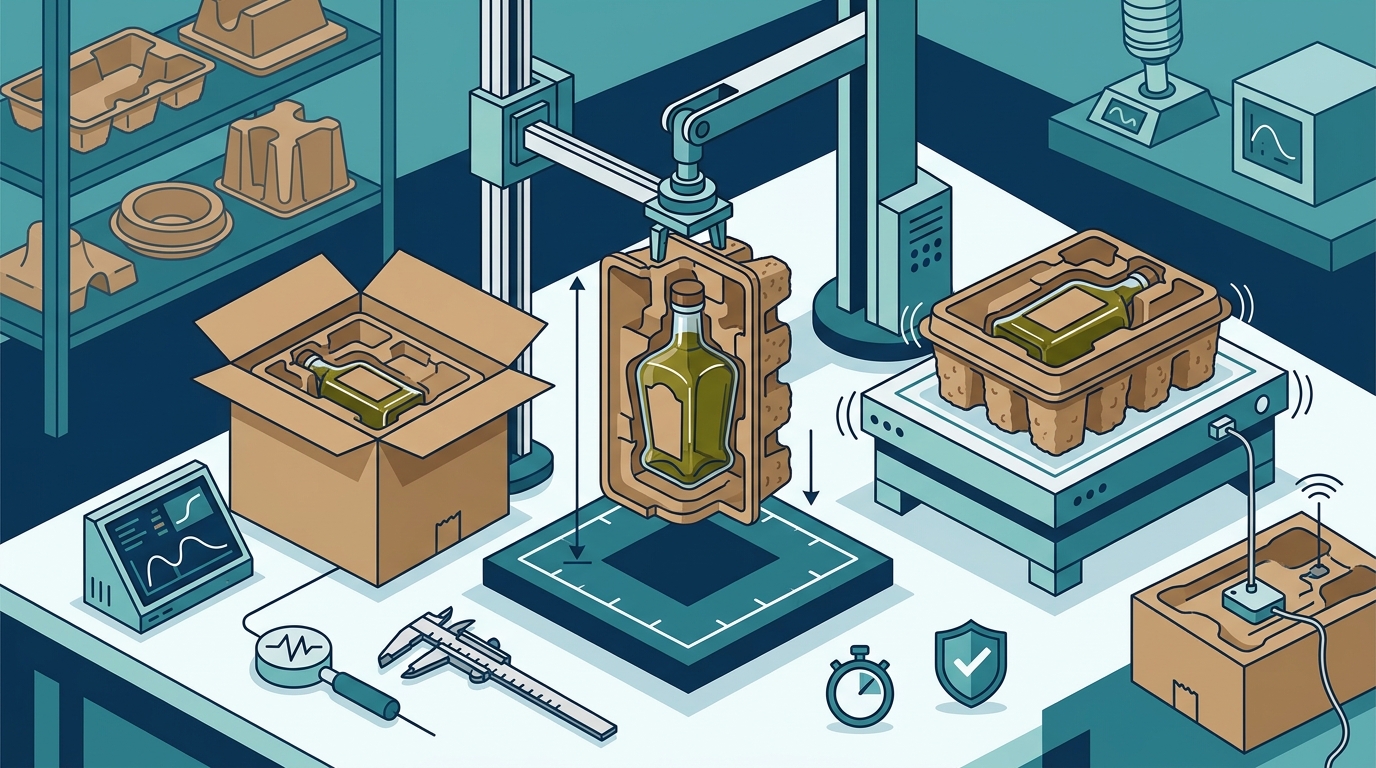
Ask which specific test protocols they use. Do they follow ISTA 3A, 3B, or 6A? Each standard simulates different shipping conditions. For example, ISTA 3A simulates small parcel shipping, while 6A simulates large parcel shipping. Knowing the standard ensures the test matches your actual logistics route.
Sample Requirements
Ask how many samples they need and what condition they must be in. Some tests require multiple units to account for variability. Clarify if they need the final product or if a mock-up is acceptable for initial testing. This helps you plan your production schedule and budget.
How to Verify Testing Claims
Marketing claims are easy to make, but verification is harder. You must ensure that the supplier's testing capabilities are real and recognized. This protects you from liability if your products arrive damaged. according to Container and Closure
Certifications and Audits
Check for certifications from recognized bodies. For raw materials, look for FSC (Forest Stewardship Council) certification. This ensures the paper used is from responsible sources. For testing, look for ISO 17025 accreditation if they operate their own lab. If they use a third-party lab, ask for the lab's accreditation status.
Case Studies and References
Request case studies from similar clients. Did they test a product with similar fragility? Ask for contact information of past clients who can vouch for the process. A supplier with a strong track record will provide these references willingly. Trakya Pack, for instance, works with major clients like Schneider Electric, demonstrating their ability to handle industrial-scale requirements.
The Testing Process Explained
Understanding the workflow helps you manage expectations. The process is iterative and involves several distinct stages. It is not a one-time event but a cycle of design, test, and refine.
Step 1: Requirements Analysis
The process begins with a detailed analysis of your product. The supplier examines the 3D model, weight, and fragility points. They gather information on specific requirements, such as water resistance or impact strength. This stage ensures the packaging design addresses the actual risks.
Step 2: Design and Prototyping
Based on the analysis, the design team creates a 3D model of the packaging. They produce a prototype tool and samples. These samples are used for initial tests. The goal is to create a design that fits the product precisely, preventing movement during transit. according to Molded pulp products
Step 3: Performance Testing
The prototypes undergo rigorous testing. This includes drop tests from specific heights, vibration tests to simulate road transport, and compression tests. The results are documented in a report. If the product fails, the design is adjusted and re-tested. This cycle continues until the product passes all criteria.
Cost Drivers for Packaging Testing
Testing costs vary based on complexity and volume. Understanding what drives the price helps you budget accurately. It is not just about the material; it is about the engineering effort.
Development and Tooling
Custom packaging requires tooling. The cost of creating the mold is a significant upfront expense. This cost is amortized over the production run. Higher volumes reduce the per-unit cost of tooling. If you are a small business, you might look for standard solutions to avoid high tooling costs.
Testing Complexity
Simple drop tests are cheaper than full ISTA certification. The more complex the test, the higher the cost. Factors include the number of samples, the duration of the test, and the need for third-party certification. Budget for these variables when planning your project.
Common Mistakes to Avoid
Many businesses make errors that compromise their packaging. Avoiding these mistakes saves time and money. They often stem from a lack of understanding of the testing process.
Skipping the Test
Some businesses assume their packaging is good enough without testing. This is a risky assumption. Transit conditions are harsher than expected. Skipping the test can lead to high damage rates and customer complaints. Always test before mass production.
Ignoring Fit
A common mistake is poor fit. If the product moves inside the box, it will break. The packaging must hold the product securely. Ensure the supplier designs for a precise fit, not just a general shape. This is where molded pulp excels, as it can be molded to exact dimensions.
Molded Pulp Versus Other Materials
Molded pulp is not the only option, but it has distinct advantages. Comparing it to alternatives helps you make an informed decision. Each material has its own strengths and weaknesses.
| Material | Protection Level | Sustainability | Cost | Best For |
|---|---|---|---|---|
| Molded Pulp | High (Custom Fit) | Excellent (Recyclable/Compostable) | Medium | Fragile, High-Value Items |
| Bubble Wrap | Medium (General) | Poor (Plastic) | Low | Light, Non-Fragile Items |
| EPS Foam | High (Custom Fit) | Poor (Non-Recyclable) | Low | Budget-Friendly Protection |
| Corrugated Board | Low (Structural) | Good (Recyclable) | Low | Structural Support |
Molded pulp offers a balance of protection and sustainability. It is a strong alternative to EPS foam, which is difficult to recycle. It is also more durable than bubble wrap for heavy items. For businesses focused on ESG goals, molded pulp is often the best choice.
Testing for Specific Product Types
Different products require different testing approaches. The type of product you ship dictates the specific tests needed. Tailoring the test to your product ensures relevant results.
Glass Bottles
Glass is fragile and prone to breakage. Testing for glass bottles requires specific attention to the neck and base. These are the most vulnerable points. Suppliers like Trakya Pack offer UniGlass packaging, which is designed to adapt to different bottle shapes. The test must verify that the bottle does not touch the box walls or other bottles.
Electronics
Electronics are sensitive to static and vibration. The packaging must provide electrostatic protection. Molded pulp is naturally anti-static, which is a major advantage. The test should include vibration profiles that mimic the specific transport route for the electronics.
Regulatory Rules and Protections
Packaging is subject to regulations, especially in Europe. Understanding these rules ensures compliance and avoids penalties. They also protect the environment and consumers.
PPWR and EPR
The Packaging and Packaging Waste Regulation (PPWR) sets new standards for packaging in the EU. It requires that packaging be recyclable and reduces waste. Extended Producer Responsibility (EPR) laws hold producers accountable for the end-of-life of their packaging. Using recyclable materials like molded pulp helps you comply with these regulations. Trakya Pack's packaging meets PPWR requirements, ensuring your business is ready for future rules.
Safety Standards
For certain products, safety standards apply. For example, food packaging must meet hygiene standards. Ensure your supplier's materials are food-safe if you are shipping food items. This is a critical protection for your brand reputation.
Local Specifics for Bulgarian Suppliers
Choosing a local supplier has specific advantages. It reduces logistics costs and supports the local economy. It also ensures better communication and faster response times.
Supply Chain Efficiency
Bulgarian suppliers like Trakya Pack have access to local raw materials. They use recycled paper from local sources, which reduces the carbon footprint of production. This local sourcing ensures a steady supply of materials. It also means shorter lead times for your orders.
Cost Competitiveness
Production costs in Bulgaria are often lower than in Western Europe. This makes local suppliers more competitive. You get high-quality packaging at a lower price. This cost advantage can significantly improve your profit margins.
Timing Your Packaging Project
Timing is critical in packaging projects. Starting too late can delay your product launch. Starting too early can lead to design changes. Plan your timeline carefully.
Lead Times
Custom packaging takes time. The design and prototyping phase can take several weeks. Testing and refinement add more time. Mass production requires tooling, which also takes time. Start the process at least 3-6 months before your launch date. This buffer allows for unexpected delays.
Seasonal Considerations
Consider seasonal demand. If you ship more during the holidays, you need your packaging ready before the peak season. Suppliers may have longer lead times during busy periods. Plan ahead to avoid bottlenecks.
Long-Term Results and Outcomes
The benefits of proper testing extend beyond the initial launch. Over time, you will see measurable improvements in your operations. These outcomes justify the initial investment.
Reduced Damage Rates
Properly tested packaging significantly reduces damage rates. This means fewer refunds and replacements. It also improves customer satisfaction. Happy customers are more likely to reorder. The reduction in damage costs can offset the cost of the packaging itself.
Sustainability Impact
Using sustainable packaging improves your brand image. It shows your commitment to the environment. This can attract eco-conscious customers. Over time, this builds brand loyalty. It also helps you meet your corporate social responsibility goals.
Key Takeaways
- Choose a supplier with specific expertise in molded pulp and your industry.
- Ask about specific testing protocols like ISTA to ensure rigorous validation.
- Verify certifications like FSC and ISO 17025 to confirm credibility.
- Understand the iterative process of design, test, and refine.
- Budget for tooling and testing complexity, not just material costs.
- Avoid skipping tests or ignoring fit, as these are common failure points.
- Compare molded pulp to alternatives like foam and bubble wrap for sustainability.
- Ensure compliance with PPWR and EPR regulations to future-proof your business.
Frequently Asked Questions
Can Trakya Pack test my specific product?
Yes, Trakya Pack offers testing services for custom molded pulp packaging. They analyze your product's 3D model and fragility points to design a protective solution. They then produce prototypes and test them under simulated transit conditions.
What is the difference between ISTA 3A and 6A?
ISTA 3A simulates small parcel shipping, while ISTA 6A simulates large parcel shipping. The choice depends on the size and weight of your product. Small, light items typically use 3A, while larger, heavier items use 6A.
How long does the testing process take?
The testing process typically takes 4 to 8 weeks. This includes design, prototyping, and multiple rounds of testing. The exact duration depends on the complexity of the product and the number of design iterations needed.
Is molded pulp packaging food-safe?
Yes, molded pulp packaging can be food-safe. It is made from recycled paper, which is generally safe for food contact. However, you should verify that the specific supplier uses food-grade materials and meets relevant hygiene standards.
What is the cost of custom molded pulp packaging?
The cost depends on the complexity of the design and the volume of production. Custom tooling is an upfront cost, but the per-unit cost decreases with higher volumes. Testing and development are additional costs that should be budgeted separately.
Does Trakya Pack comply with PPWR regulations?
Yes, Trakya Pack's packaging is designed to meet the requirements of the PPWR regulation. Their products are made from recycled paper and are recyclable and compostable. This ensures compliance with current and future EU packaging rules.