

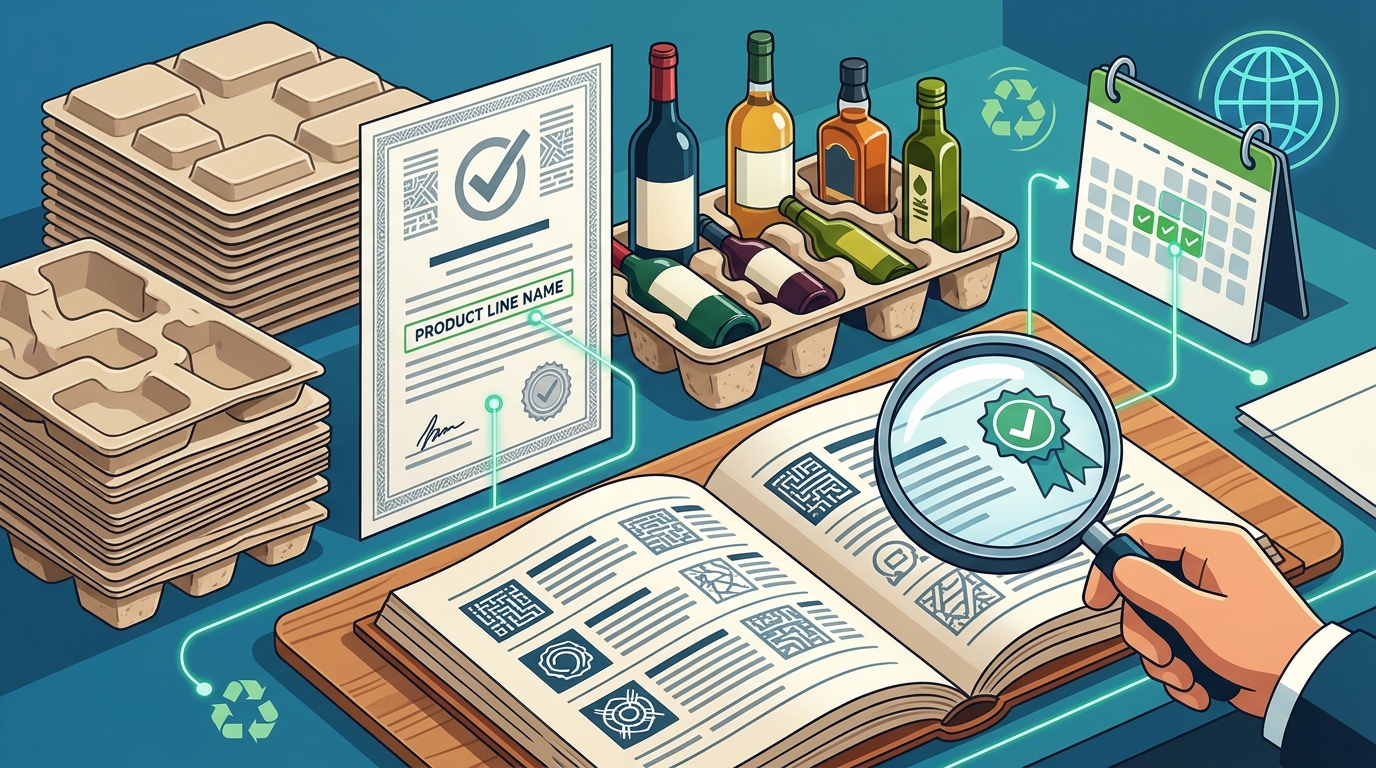
Verifying a packaging supplier's sustainability certifications requires checking the issuing body's official registry and confirming the certificate's scope and validity dates. You must ensure the specific product line you purchase is covered by the certification, not just the company name. This process protects your brand from greenwashing and ensures compliance with emerging regulations like the EU's Packaging and Packaging Waste Regulation (PPWR).
Understanding Certification Types
Not all sustainability labels carry the same weight. A certification is a third-party verification that a product or process meets specific environmental standards. The most recognized standard in the packaging industry is the Forest Stewardship Council (FSC) Chain of Custody. This certification tracks the origin of wood-based materials to ensure they come from responsibly managed forests. Another critical standard is the EU Ecolabel, which assesses the environmental impact of a product across its entire life cycle. Understanding the difference between a self-declared claim and a third-party audit is the first step in due diligence. according to Standards and Certifications
Checking Issuing Body Registries
The most reliable way to verify a certification is to search the official database of the issuing organization. For FSC-certified suppliers, you can search the FSC public registry using the company's name or certificate number. This database provides the certificate number, the scope of certification, and the expiration date. If a supplier claims to be FSC-certified but does not appear in the registry, their claim is invalid. Similarly, for compostable packaging, you should look for the OK compost HOME or OK compost INDUSTRIAL labels issued by TÜV AUSTRIA. These labels confirm that the material will biodegrade under specific conditions. Always verify the certificate number provided by the supplier against the official registry to ensure it is current and active.
Scope and Product Coverage
A company-wide certification does not automatically cover every product in their catalog. The scope of a certificate defines exactly which products, facilities, or processes are certified. For example, a supplier might be certified for their molded pulp production line but not for their plastic-based protective films. You must request the specific certificate document and review the scope section carefully. Ensure that the exact SKU or product family you are purchasing is listed within the certified scope. If the certificate only covers the company's headquarters but not the manufacturing plant where your products are made, the certification may not apply to your specific order. This level of detail is crucial for accurate ESG reporting and regulatory compliance. according to Standards and Certifications
Regulatory Alignment and PPWR
As the EU's PPWR regulation approaches full implementation, regulatory alignment becomes a key verification metric. The PPWR aims to reduce packaging waste and improve recyclability across the European Union. Suppliers who are proactively aligning their products with PPWR requirements often hold specific certifications for recyclability and recycled content. Look for suppliers who can provide data on the percentage of recycled material in their products. Trakya Pack, for instance, produces packaging from 100% recycled paper, which aligns with the circular economy principles emphasized in the PPWR. Verifying that a supplier's materials meet these regulatory standards ensures that your packaging choices are future-proof and compliant with upcoming legal requirements.
Requesting Audit Reports and Documentation
For high-volume contracts, requesting a summary of the most recent audit report adds an extra layer of verification. While full audit reports are often confidential, reputable suppliers can provide a summary or a letter of attestation from the certification body. This document confirms that the supplier passed the most recent annual surveillance audit. It also highlights any non-conformities that were identified and how they were resolved. This transparency demonstrates the supplier's commitment to continuous improvement and quality control. If a supplier is hesitant to provide any documentation or registry verification, it is a significant red flag. Legitimate certification requires ongoing oversight, and a supplier should be proud to share proof of their compliance.
Key Takeaways
- Always verify certifications through the official registry of the issuing body, such as the FSC public database.
- Check the scope of the certificate to ensure it covers the specific products you are purchasing.
- Distinguish between self-declared claims and third-party audited certifications.
- Align supplier certifications with upcoming regulations like the EU's PPWR to ensure long-term compliance.
- Request audit summaries or letters of attestation for high-volume or critical supply chain partnerships.
- Look for certifications that cover the entire supply chain, including raw material sourcing and production facilities.
Frequently Asked Questions
What is the difference between FSC and EU Ecolabel?
FSC focuses specifically on the responsible sourcing of wood and paper materials, while the EU Ecolabel assesses the overall environmental impact of a product, including energy use and emissions. FSC is a chain-of-custody certification, whereas the EU Ecolabel is a product-level environmental label.
How often are sustainability certifications audited?
Most major certifications, including FSC and ISO 14001, require annual surveillance audits to ensure continued compliance. The initial certification audit is more comprehensive, but annual audits verify that the company is still meeting the required standards.
Can a supplier be certified for one product but not another?
Yes, the scope of a certification defines exactly which products or processes are covered. A supplier may be certified for their molded pulp line but not for their plastic accessories. You must verify that your specific product is within the certified scope.
What should I do if a supplier's certificate is expired?
If a certificate is expired, the supplier is no longer considered certified. You should request a new certificate or verify if they have applied for recertification. Do not rely on an expired certificate for compliance or marketing claims.
How does PPWR affect certification verification?
PPWR introduces stricter requirements for recyclability and recycled content. Suppliers who are PPWR-compliant will often hold specific certifications for these attributes. Verifying these certifications ensures that your packaging meets the new regulatory standards.
Where can I find the FSC public registry?
The FSC public registry is available on the official FSC website. You can search by company name, certificate number, or location to verify the status and scope of a supplier's certification.
Conclusion
Verifying sustainability certifications is a critical step in building a responsible supply chain. By checking official registries, reviewing certificate scopes, and aligning with regulatory frameworks like PPWR, you can ensure that your packaging choices are both environmentally sound and legally compliant. Trakya Pack is committed to providing transparent, certified sustainable packaging solutions that meet the highest standards of environmental responsibility. To discuss how our certified molded pulp solutions can support your sustainability goals, .