
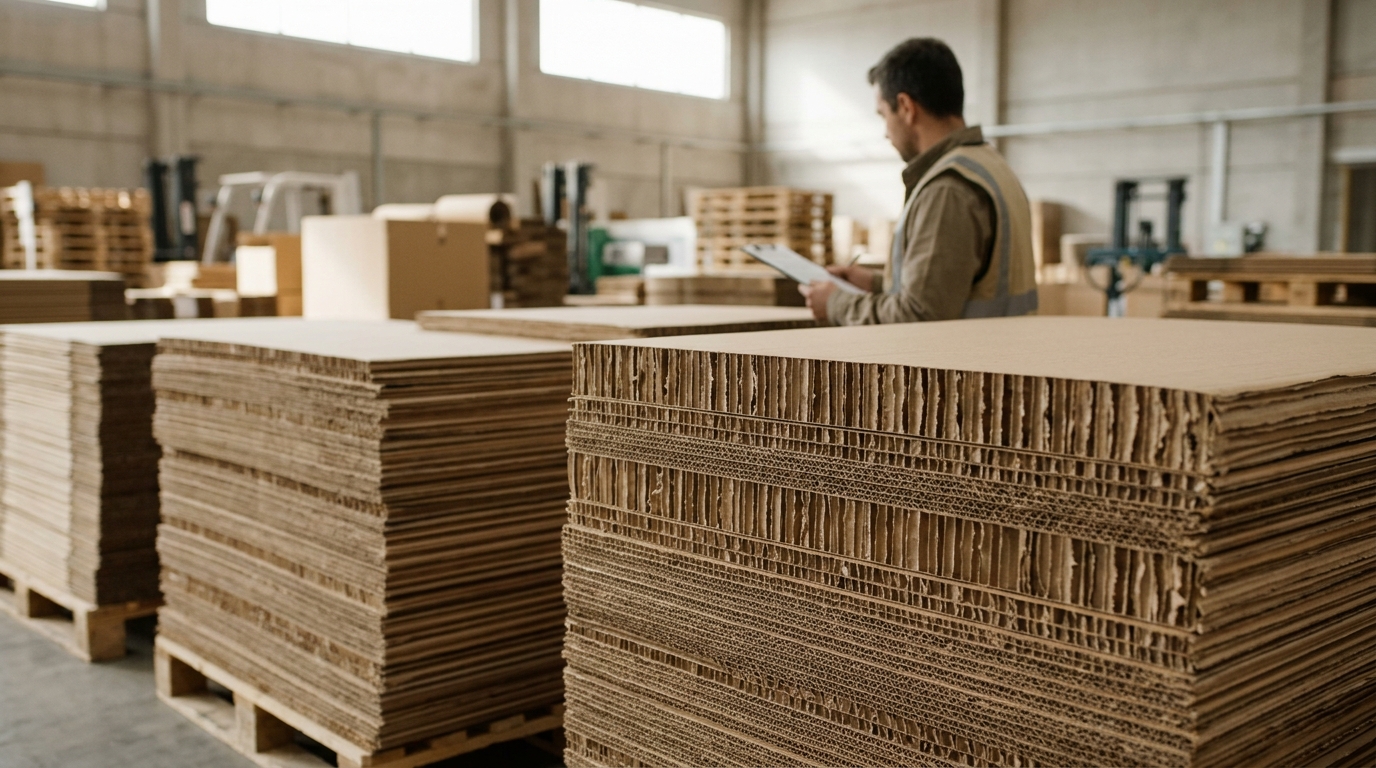
Why is honeycomb cardboard considered a sustainable option?
Honeycomb cardboard is made from 100% recycled paper and is fully recyclable in standard paper streams. This makes it an attractive option for companies aiming to eliminate plastic from their supply chains. The material is lightweight, which can reduce shipping costs, and it is biodegradable at the end of its life.
However, sustainability is not just about the material composition. It is also about efficiency. Honeycomb sheets often require multiple layers to achieve adequate protection, which increases the total volume of paper used. In contrast, PulProtect sheets are designed to absorb impact with a single layer, significantly reducing the amount of material needed per package.
What are the main limitations of honeycomb cardboard in logistics?
The primary drawback of honeycomb cardboard is its reliance on thickness for shock absorption. To protect heavy or fragile items, users often stack multiple sheets, which creates bulky packages. This bulkiness can lead to higher shipping costs and inefficient warehouse storage. The material is also prone to tearing if not handled carefully, which can compromise the protection of the product inside.
For example, protecting a large piece of furniture or a heavy electronic device with honeycomb paper often requires filling the entire void space. This approach is labor-intensive and time-consuming. Molded pulp solutions, such as UniGlass trays, are engineered to fit specific product shapes, providing targeted protection without the need for excessive bulk.
How does honeycomb cardboard compare to molded pulp under PPWR?
The PPWR emphasizes reducing packaging waste and increasing the use of recycled content. Both honeycomb cardboard and molded pulp meet the recycled content requirements. However, the regulation also pushes for a reduction in the total volume of packaging. Honeycomb cardboard's need for multiple layers can work against this goal by increasing the total weight and volume of the package.
Is honeycomb cardboard suitable for all product types?
Honeycomb cardboard is best suited for light to medium-weight items that require basic cushioning. It works well for small electronics, cosmetics, or books. However, it is not ideal for heavy, irregularly shaped, or highly fragile items. The material does not conform to complex shapes, leaving gaps that can allow products to shift and break during transit.
For products with complex geometries, custom molded pulp inserts are a better fit. These inserts are designed to cradle the product securely, preventing movement and absorbing impact at specific points. This targeted approach reduces the risk of damage and eliminates the need for bulky, generic padding.
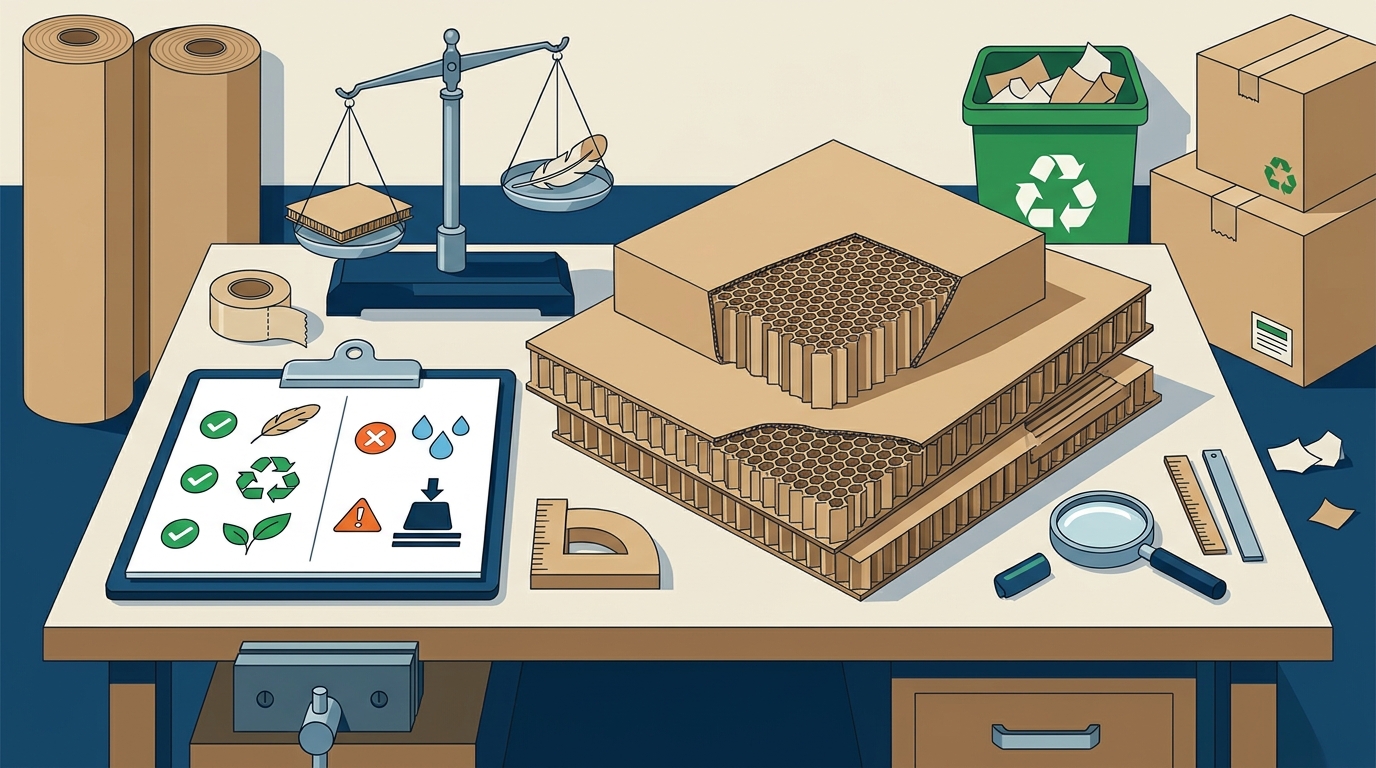
What should businesses consider when choosing protective packaging?
Businesses should evaluate their packaging needs based on product weight, fragility, and shipping conditions. While honeycomb cardboard is a viable plastic-free option, it may not be the most efficient or protective choice for all applications. Consider the total cost of ownership, including shipping costs, warehouse space, and the risk of product damage.
Switching to a more efficient material can yield significant savings. For instance, PulProtect is designed to be a lighter and more flexible alternative that provides reliable protection. This efficiency not only reduces waste but also lowers operational costs. To find the right solution for your specific products, contact our team.
Key Takeaways
- Honeycomb cardboard is 100% recycled and plastic-free, aligning with PPWR goals.
- It requires multiple layers for adequate protection, increasing package bulk and weight.
- Custom molded pulp inserts fit complex product shapes better than generic honeycomb sheets.
- Efficiency in material use is a key factor for PPWR compliance and cost savings.
- Trakya Pack provides documented data to support ESG and PPWR reporting.
Frequently Asked Questions
Can honeycomb cardboard be recycled with regular paper?
Yes, honeycomb cardboard is made from paper and can be recycled in standard paper and cardboard streams. It does not contain plastic or other contaminants that would hinder the recycling process.
Is molded pulp stronger than honeycomb cardboard?
Molded pulp is generally stronger and more durable than honeycomb cardboard for the same thickness. Its dense structure allows it to absorb impact more effectively, often requiring less material to achieve the same level of protection.
Does Trakya Pack offer custom molded pulp solutions?
Yes, Trakya Pack designs and produces custom molded pulp packaging tailored to specific product dimensions and protection needs. Their engineers use 3D modeling to create precise inserts that fit your products perfectly. Learn more: Learn more.